
Professional Indoor LED Screen Solutions in Malaysia
High-resolution indoor LED screens engineered for corporate, retail, auditorium, and control room environments — delivering exceptional clarity, colour accuracy, and reliability.
Indoor LED Display Technology
Indoor LED displays have transformed how organisations communicate, present, and engage audiences in enclosed environments. Unlike traditional projection or LCD video walls, LED displays offer seamless images with no visible bezels, high brightness, and the flexibility to build screens of virtually any size or shape.
LEDSCREEN.ASIA supplies and installs professional indoor LED display systems across Malaysia, serving corporate offices, government facilities, universities, auditoriums, retail environments, and broadcast studios. Our solutions range from fine-pitch LED video walls for close-viewing boardrooms to large-format indoor displays for auditoriums and public spaces.
Indoor vs Outdoor LED Displays
Indoor LED displays are generally selected for controlled indoor environments where close viewing distance, visual comfort, and front maintenance access may be important. They are designed for enclosed spaces with controlled lighting and typically use finer pixel pitches suited to closer viewing.
Outdoor LED systems have different environmental, weather-protection, and brightness requirements — they must remain visible in direct sunlight and withstand rain, dust, humidity, and temperature variation. Explore our Outdoor LED Display solutions for weatherproof high-brightness outdoor applications.
Key Technical Specifications
| Pixel Pitch | P1.2 – P3.0 |
| Brightness | Selected according to installation environment (configuration-dependent) |
| Refresh Rate | High refresh rate options (configuration-dependent) |
| Colour Depth | Configuration-dependent |
| IP Rating | Indoor-rated (configuration-dependent) |
| Lifespan | Depends on selected components and operating conditions |
| Service Access | Front-serviceable |
| Cabinet Material | Configuration-dependent |
Indoor LED displays are specified by pixel pitch, brightness, refresh rate, and cabinet design. The right combination depends on your viewing environment, content type, and budget. Several specifications below are configuration-dependent and are confirmed during consultation and quotation.
- Seamless modular design
- Front-serviceable cabinets
- High-quality colour processing (configuration-dependent)
- HDR-compatible processing (where supported)
- Fanless quiet operation (depending on selected cabinet)
- Energy-efficient power supply
Pixel Pitch Selection
Pixel pitch is the distance between the centres of two adjacent LEDs, measured in millimetres. It is the single most important factor in determining image resolution, viewing distance, and price. A smaller pixel pitch delivers higher resolution but costs more per square metre.
The industry guideline for minimum comfortable viewing distance is approximately one metre per millimetre of pixel pitch. For a detailed guide covering pixel pitch from P1.25 to P10, see our LED screen pixel pitch guide. The following reference helps you select the appropriate pitch for your application:
Brightness & Viewing Comfort
Indoor LED displays do not need to compete with direct sunlight, so brightness is matched to the ambient lighting of the installation environment. Standard office and conference room lighting, brighter retail and lobby environments, and atriums with significant natural light each call for different brightness levels.
Excessive brightness in enclosed spaces can cause eye strain, so automatic brightness adjustment using ambient light sensors is recommended where available, ensuring comfortable viewing while reducing power consumption. The selected brightness depends on the confirmed product configuration and site conditions.
Refresh Rate & Scan Rate
Refresh rate refers to how many times per second the display updates its image, measured in Hertz (Hz). For indoor LED displays, a high refresh rate is recommended for professional installations — particularly those that will be photographed or recorded on camera. High refresh rate options are available depending on the selected LED configuration.
A higher refresh rate eliminates scan lines and flicker that appear when cameras capture the screen. This is essential for broadcast studios, auditoriums with camera recording, and corporate events where screens appear in video content.
The scan rate (1/16, 1/32, etc.) describes how many LED rows are driven simultaneously. A lower scan ratio (1/16) provides higher brightness and better colour uniformity, while a higher scan ratio (1/32) reduces power consumption. Our engineers select the optimal scan rate based on your brightness and efficiency requirements.
Viewing Distance Guidelines
Choosing the correct pixel pitch based on viewing distance ensures viewers see a sharp, seamless image without noticing individual LEDs. The minimum viewing distance is the closest point at which the image appears smooth; the optimal viewing distance is where the full resolution is perceived comfortably.
Minimum viewing distance is approximately equal to the pixel pitch in millimetres, expressed in metres. Optimal viewing distance is approximately 2 to 3 times the pixel pitch in metres.
Front Serviceability
Front-serviceable LED cabinets allow all maintenance — module replacement, power supply access, and receiving card adjustments — to be performed from the front of the screen. This is important for installations where rear access is limited, such as wall-mounted displays in corporate offices and built-in auditorium screens.
Front-service configurations allow maintenance access from the display face, depending on the selected cabinet and module system, making them suitable for wall-mounted and built-in installations without rear access.
Indoor LED Display Applications
Corporate Boardrooms
Fine-pitch LED video walls for executive presentations and video conferencing.
Auditoriums
Large-format stage displays for conferences, lectures, and performances.
Control Rooms
High-resolution command and control displays for monitoring operations.
Retail & Malls
Eye-catching digital signage and brand displays in retail environments.
Broadcast Studios
High-refresh-rate LED walls for virtual sets and news backgrounds.
Exhibition Halls
Modular rental LED displays for trade shows and exhibitions.
Indoor LED displays are deployed across many industries in Malaysia. Explore how they are applied in corporate, government, education, retail and auditorium environments on our LED Display Applications page.
Installed Indoor LED Projects
The following are genuine indoor LED installations completed by LEDSCREEN.ASIA in Malaysia. Each project's specifications are documented on its own project page and may differ from the generic configuration-dependent values above.
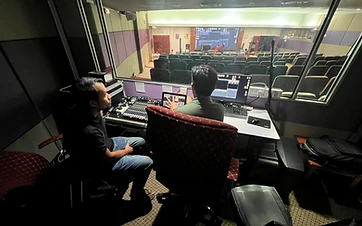
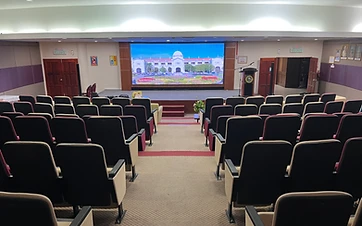
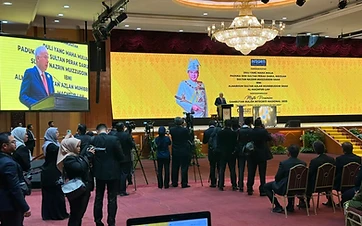
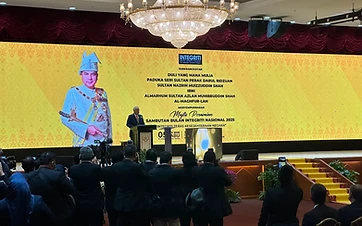
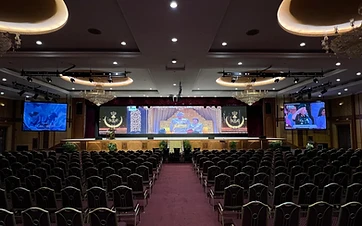
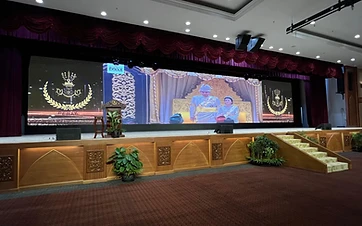
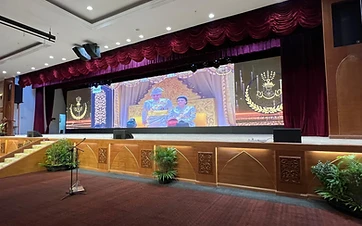
P2 Indoor LED Screen — SUK Perak Dewan Banquet
A large-format government banquet-hall indoor LED installation.
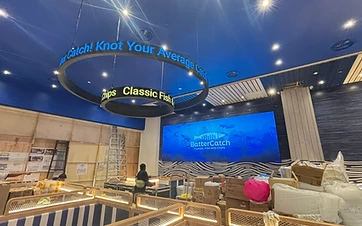
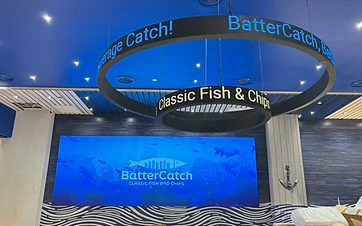
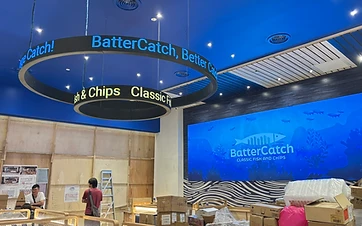
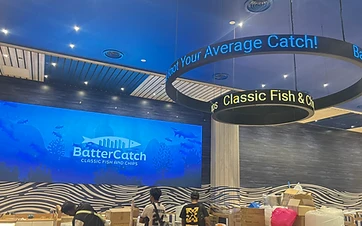
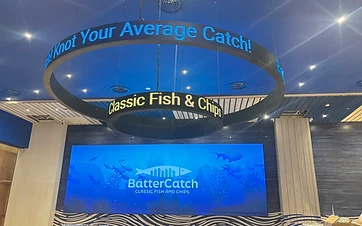
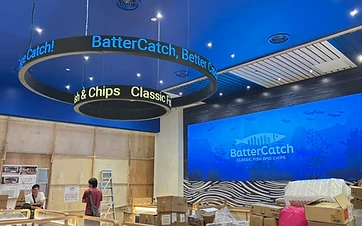
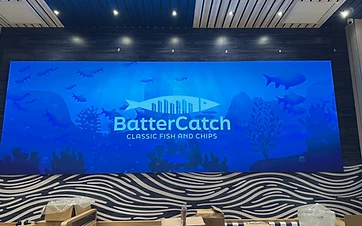
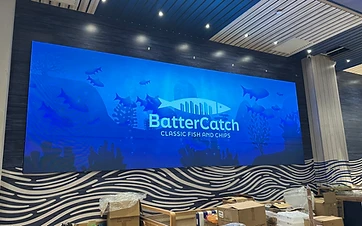
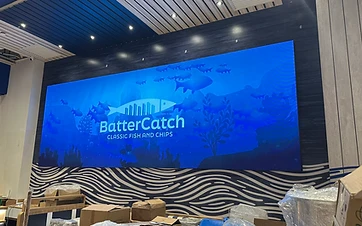
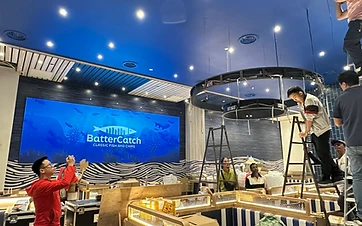
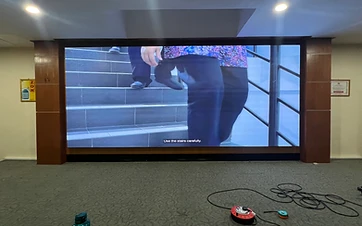
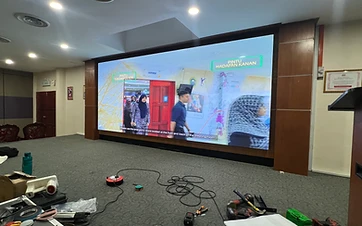
Dual Circular LED Displays — BatterCatch, AEON Mall Tebrau City
A custom creative indoor LED form factor in a commercial restaurant environment.
Installation & System Configuration
LEDSCREEN.ASIA provides complete turnkey installation services. Our process includes site assessment, structural design, electrical planning, screen calibration, and system integration with your existing AV infrastructure.
System configuration includes video processor setup, input source mapping, colour calibration, brightness and uniformity adjustment, and content management system deployment. We ensure your LED display is fully operational and integrated with your workflow before project handover.
Maintenance & After-Sales Support
Warranty coverage and duration are confirmed according to the selected system configuration and agreed project quotation. Our maintenance services include periodic calibration, spare module provisioning, and rapid on-site support across Malaysia.
We provide operator training on content management, basic troubleshooting, and routine maintenance procedures, ensuring your team can manage day-to-day operations with confidence.
Frequently Asked Questions
For a detailed comparison of two common fine-pitch options for auditorium and presentation spaces, see our P1.8 vs P2 LED display guide.
Explore Related LED Solutions
Fine Pitch LED Display Solutions
Ultra-high-resolution LED video walls for close-viewing corporate and control room environments.
Learn moreLED Display Products
Browse our range of indoor, outdoor and fine-pitch LED display products.
Learn moreLED Display Projects
View completed LED display installations across Malaysia.
Learn moreContact LEDSCREEN.ASIA
Discuss your indoor LED screen project with our team.
Learn more



















Ready to Discuss Your LED Display Project?
Contact LEDSCREEN.ASIA for professional consultation, system design, and a tailored quotation for your LED display requirements in Malaysia.