
Indoor vs Outdoor LED Screen: Which Should You Choose in Malaysia?
Indoor and outdoor LED screens are built for different environments. This guide compares brightness, weather protection, pixel pitch, installation and applications to help you choose the right LED display for your project in Malaysia.
Indoor vs Outdoor LED Screen: The Main Difference
Indoor LED displays are designed for controlled indoor environments. They are installed inside buildings where temperature, humidity and light are managed, and where the screen is not exposed to rain, dust or direct sunlight.
Outdoor LED displays must account for environmental exposure such as sunlight, rain, dust, heat, installation structure and weather protection. Their cabinets, brightness and construction are designed to survive and perform in open-air conditions.
Neither type is universally better. The right choice depends on where the screen will be installed, what it needs to display, and the conditions it must withstand. Using an indoor screen in an outdoor environment — or vice versa — can lead to poor performance, damage or unnecessary cost.
What Is an Indoor LED Screen?
Indoor LED screens are installed inside buildings where the environment is controlled. Typical applications include:
- •Corporate meeting rooms
- •Government halls
- •Auditoriums
- •Retail environments
- •Restaurants
- •Shopping malls
- •Universities
- •Presentation spaces
Indoor installations often prioritise closer viewing distances, image detail, appropriate pixel pitch, visual comfort, installation access and front-service options where required. Because indoor screens are not exposed to rain or direct sunlight, they do not require the same weather-resistant construction as outdoor screens.
Learn more in our Indoor LED Display Solutions guide.
What Is an Outdoor LED Screen?
Outdoor LED screens are installed in exposed outdoor locations. Typical applications include:
- •Outdoor advertising displays
- •Digital billboards
- •Building-mounted LED screens
- •Public information displays
- •Commercial outdoor displays
- •Government outdoor installations
Outdoor projects need to consider sunlight visibility, weather protection, structural support, maintenance access, environmental conditions, electrical planning and viewing distance. The cabinet and enclosure must be designed for the installation environment.
Learn more in our Outdoor LED Display Solutions guide. For large-format outdoor advertising displays, see our Digital Billboard page.
Indoor vs Outdoor LED Screen Comparison
The table below summarises the key differences between indoor and outdoor LED screens across the factors most relevant to project selection. Specifications vary by product and installation — the wording is qualitative rather than fixed numerical values.
| Factor | Indoor LED | Outdoor LED |
|---|---|---|
| Installation Environment | Inside a building under controlled conditions | Exposed to outdoor environmental conditions |
| Typical Viewing Distance | Often closer, depending on the venue | Often longer, depending on the installation site |
| Pixel Pitch Considerations | Smaller pitches are common for close-viewing applications | Larger pitches are common where viewers are further away |
| Brightness Requirement | Selected according to indoor lighting and viewing comfort | Higher brightness is generally required for daylight visibility, depending on installation conditions |
| Weather Protection | Usually not exposed to outdoor environmental conditions | Requires weather-resistant construction appropriate to the selected cabinet and installation environment |
| Cabinet / Enclosure Requirement | Indoor-grade cabinets designed for controlled environments | Outdoor-grade cabinets designed for environmental exposure |
| Maintenance Access | Front-service configurations are common where rear access is limited | Access must be planned for outdoor installation conditions and height |
| Structural Requirement | Wall, ceiling or floor structure within the building | Dedicated structural frame, wind loading and building attachment considerations |
| Typical Applications | Meeting rooms, auditoriums, retail, malls, universities, government halls | Outdoor advertising, digital billboards, building-mounted displays, public information |
| Content Type | Presentations, video, branding, information displays | Advertising, public information, promotional content |
| Installation Complexity | Generally simpler, with controlled access and environment | More complex, requiring structural, electrical and weather planning |
Pixel Pitch and Viewing Distance
Pixel pitch is important for both indoor and outdoor displays. Smaller pixel pitch provides higher pixel density and is often selected for shorter viewing distances. Larger pixel pitch may be suitable where viewers are further away.
Indoor installations often use fine-pitch LED (P1.25 to P3) because viewers are close and image detail matters. Outdoor installations often use larger pitches (P4 to P10) because viewers are further away and the screen is larger. However, the right pitch always depends on the actual screen size, content and viewing conditions — not just whether the installation is indoor or outdoor.
For a detailed explanation of pixel pitch, pixel density and viewing distance across all common sizes, read our LED Screen Pixel Pitch Guide. For a focused comparison of two common fine-pitch indoor options, see our P1.8 vs P2 LED Display Guide.
Brightness and Viewing Environment
Indoor screens operate under controlled lighting. Their brightness is selected to provide clear images without causing visual discomfort in enclosed spaces.
Outdoor screens may need stronger output to remain visible in daylight. Actual required brightness depends on:
- •Installation orientation
- •Surrounding light
- •Direct sunlight exposure
- •Display location
- •Content
- •Selected LED system
There is no single brightness value that applies to all indoor or all outdoor screens. The appropriate brightness should be determined based on the specific installation site and selected LED product.
Weather Protection and Outdoor Installation
Outdoor LED systems require careful consideration of environmental factors that indoor systems do not face. These include:
- •Rain
- •Dust
- •Humidity
- •Heat
- •Drainage
- •Cable protection
- •Cabinet construction
- •Structural support
Important: The required IP rating and weather-protection specification should be confirmed according to the selected outdoor LED cabinet and installation environment. Not all outdoor cabinets carry the same IP rating, and weather protection should be verified against supplier documentation for the specific product selected.
Installation and Maintenance Differences
Indoor
- •Wall-mounted, recessed or freestanding configurations
- •Front-service options where rear access is limited
- •Easier environmental control within the building
- •Standard electrical supply within the venue
Outdoor
- •Structural frame requirements for building or pole mounting
- •Access planning for maintenance at height
- •Weather-resistant electrical installation
- •Wind and structural considerations depending on the project
- •Safe access planning for installation and service
Outdoor installation may require professional structural and electrical assessment. This article does not replace engineering certification or site-specific professional evaluation.
Real Indoor LED Screen Projects in Malaysia
The following are genuine indoor LED installations completed by LEDSCREEN.ASIA in Malaysia. They are presented as real-world examples of indoor LED applications.

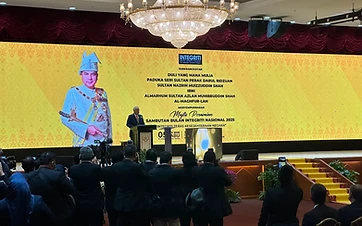
P2 Indoor LED Screen — SUK Perak Dewan Banquet
A large-format P2 indoor LED installation at a government banquet hall, demonstrating high-resolution indoor display at scale for official functions and presentations.

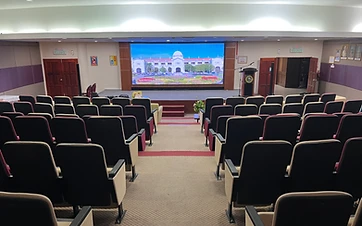
P2 Indoor LED Screen — Majlis Daerah Kampar
A P2 indoor LED screen at a local council office, used for government meetings, presentations and official events.
Real Outdoor LED Screen Projects in Malaysia
The following are genuine outdoor LED installations completed by LEDSCREEN.ASIA in Malaysia. They are presented as real-world examples of outdoor LED applications.

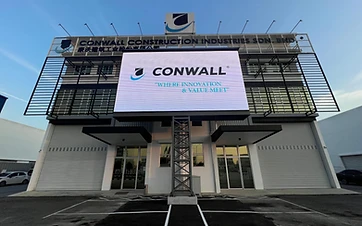
P5 Outdoor LED Screen — Conwall Construction Industries Sdn. Bhd.
A P5 outdoor LED screen installed at a corporate site in Sungai Jawi, Penang for corporate branding and company communications.

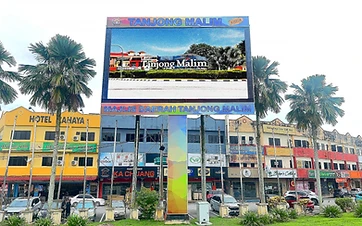
P5 Outdoor LED Screen — Tanjong Malim Government Project
A P5 outdoor LED screen installed in Tanjong Malim, Perak for government promotional content and public information display.
Which LED Screen Should You Choose?
Choose Indoor LED when:
- •The display is installed inside a building
- •Viewers are relatively close
- •Image detail is important
- •Weather exposure is not a requirement
- •Corporate, government, retail or presentation use is intended
Choose Outdoor LED when:
- •The display is exposed to outdoor environmental conditions
- •Daylight visibility is required
- •The screen is installed on a building, structure or outdoor site
- •Weather protection and structural planning are necessary
- •Viewing distances are generally longer
Some projects require more detailed evaluation because installation conditions vary. Final product specification should be confirmed after site assessment and consultation. Browse our LED display products or applications for more context, or explore our completed LED projects for real installation examples.
What Information Should You Prepare Before Requesting a Quotation?
You do not need to know exact technical specifications in advance. The following information helps LEDSCREEN.ASIA recommend a suitable configuration:
- 01Indoor or outdoor location
- 02Approximate screen width and height
- 03Installation address or site
- 04Expected viewing distance
- 05Intended content
- 06Wall, structure or mounting condition
- 07Power availability
- 08Maintenance access
- 09Installation height
- 10Photos or drawings of the proposed location where available
Or call us directly at +60 18-577 6517
Frequently Asked Questions
Related LED Display Resources
Indoor LED Screen Solutions
Indoor LED screens for conference, government, retail and venue installations.
Learn moreOutdoor LED Screen Solutions
Weather-resistant outdoor LED screens for billboards and building displays.
Learn moreLED Display Products
Browse LED display products and specifications for indoor and outdoor applications.
Learn moreLED Screen Projects
Browse real LED display installations completed across Malaysia.
Learn more